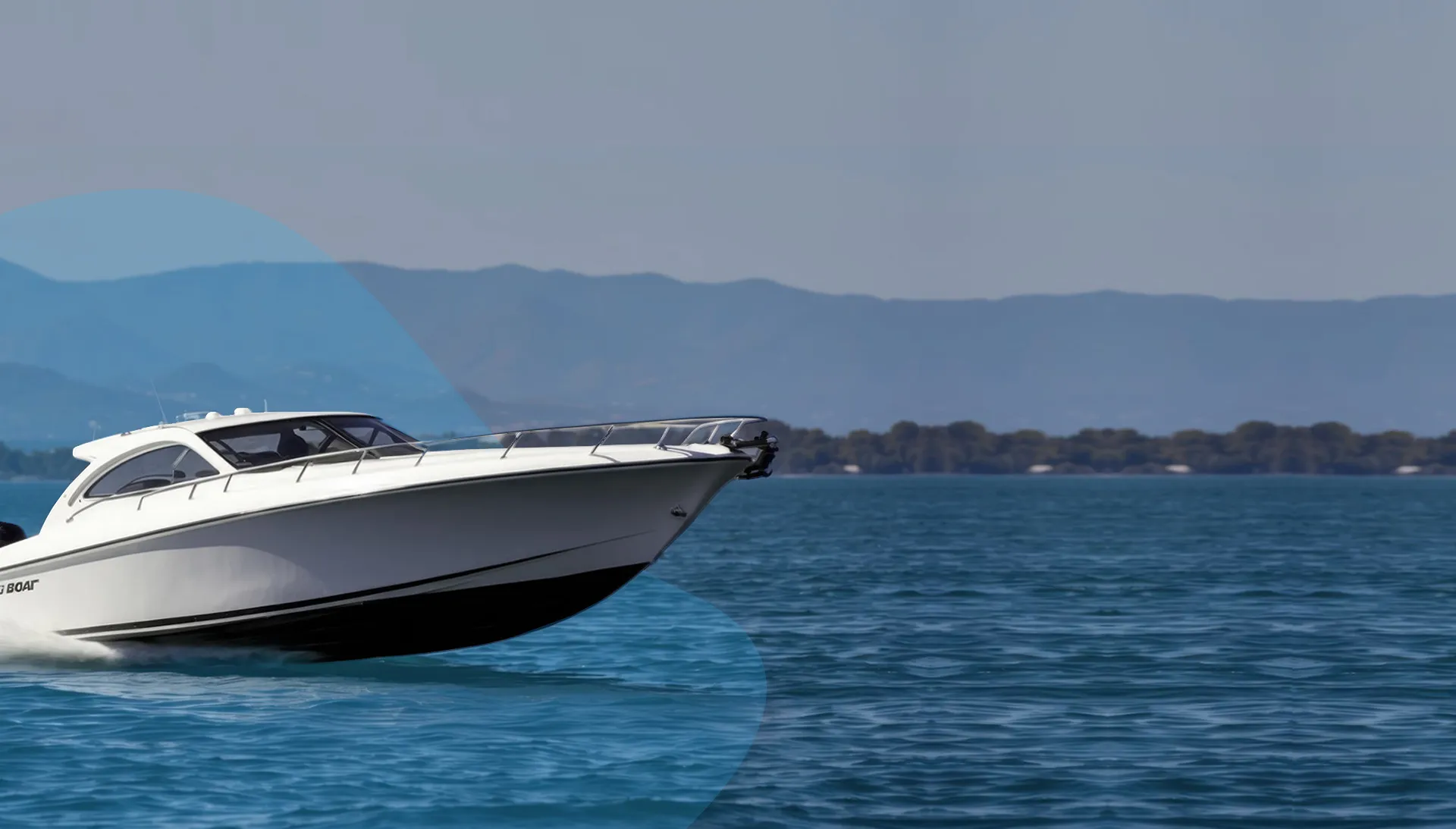
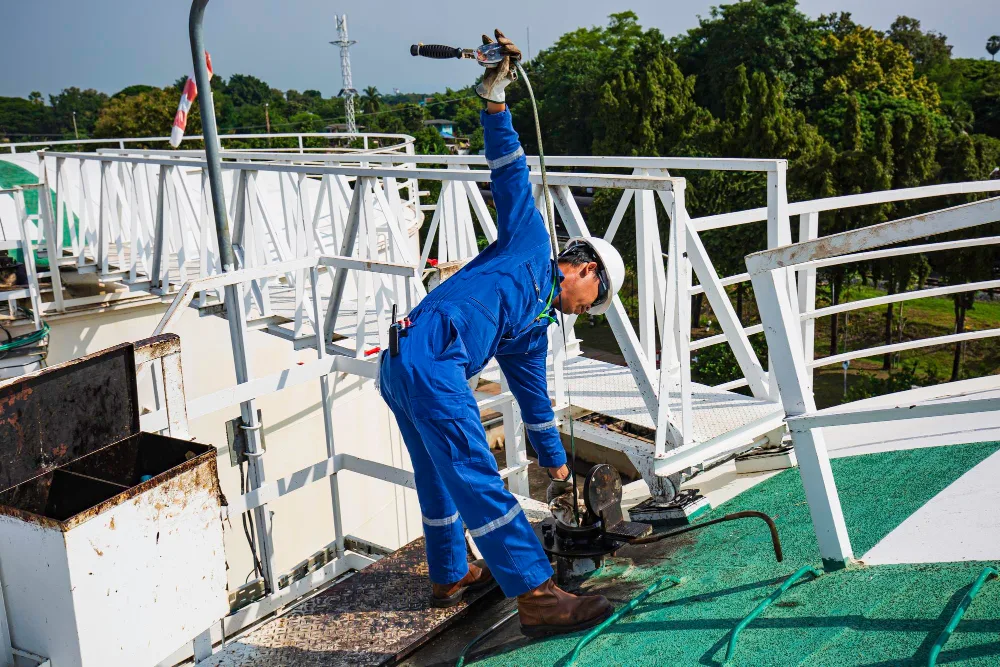
Living in Jupiter offers us some of the best water access in the world, from the Loxahatchee River to the open Atlantic. But there is nothing worse than loading up the cooler, gathering the family for a day at the sandbar, and turning the key only to hear silence.
Maintaining your vessel's smooth operation requires consistency. The combination of intense Florida sun and corrosive saltwater takes a toll on even the most rugged vessels. By staying ahead of repairs, you protect your investment and ensure your weekends remain stress-free.
This guide covers the essentials of boat maintenance so you can spend less time in the shop and more time on the water.
How do I keep my engine running reliably?
You should inspect your engine before every single trip and perform a deep check every 100 hours of operation. The engine is the heart of your boat, and in our saltwater environment, it is the first thing to suffer from neglect.
Checking and Changing Oil
Just like your car, your boat needs fresh oil to lubricate moving parts and prevent overheating. Check your oil levels before you leave the dock. If the oil looks milky, you might have water intrusion, which requires immediate attention. Most manufacturers recommend changing the oil every 100 hours or once a year, whichever comes first.
Inspecting Belts and Hoses
Rubber components deteriorate quickly in the heat. A cracked belt or a burst hose can leave you stranded near the Jupiter Inlet with no power. Squeeze your hoses to check for softness or brittleness and look for cracks in the belts. If you are loosening bolts to replace a bracket or check a mount, apply a small amount of Tef Gel - TG-25 (3cc tube) to the threads. This prevents the bolts from seizing up later due to saltwater corrosion, making future repairs much easier.
Fuel System Maintenance
Fuel issues are the most common reason for boat breakdowns. Ethanol in modern fuel attracts water, which can separate and clog your engine. Changing your fuel-water separator filters regularly keeps your fuel clean and your engine firing correctly.
What does the hull and deck need to stay protected?
Your hull is your first line of defense against the water, and regular cleaning prevents long-term structural damage. Fiberglass gel coat is tough, but it's not invincible.
Cleaning and Waxing
Washing your boat with fresh water and soap after every saltwater trip is non-negotiable. This removes salt crystals that act like sandpaper on your finish. To protect the gel coat from UV rays, apply a high-quality marine wax every three to four months. This keeps your boat looking shiny and creates a barrier against staining.
Inspecting for Osmosis and Corrosion
When you have the boat out of the water, look for blisters on the hull. This is a sign of osmosis, where water is trapped under the gel coat. Addressing this early prevents the fiberglass from weakening.
According to general marine industry standards, you should expect to spend roughly 10% of your boat's value on annual maintenance, and a significant portion of that goes toward hull care and painting. Ignoring the hull now will cost you significantly more in restoration fees later.
Gel coat Repair
Small chips and scratches are inevitable. However, leaving them exposed allows water to penetrate the laminate. Fill minor dings with a gel coat repair kit to keep the structure sound and the aesthetics sharp.
Why is my electrical system so prone to failure?
Saltwater is highly conductive, which means your electrical connections are constantly under attack from corrosion. A little green crust on a wire terminal can stop your electronics from working instantly.
Battery Maintenance
Your battery creates the spark that starts the fun. Check the terminals for corrosion regularly. If you see buildup, clean it off with a wire brush. To prevent future corrosion, coat the clean terminals with a protective dielectric grease. We recommend keeping Tef Gel - TG-1 (20cc tube) on hand for this. It is totally waterproof and prevents corrosion on battery terminals and electrical connections, ensuring you always have the power you need.
Wiring and Connections
Loose wires are a fire hazard. Periodically check under the console and in the bilge to ensure all wires are secured and the insulation is intact. Vibration from running offshore can rub through wire insulation, causing shorts.
Navigation Lights and Electronics
Before you head out for a sunset cruise or early morning fishing trip, flip on your navigation lights. Bulbs burn out, and sockets corrode. Being seen by other boaters on the Intracoastal Waterway is vital for your safety.
What plumbing checks prevent sinking?
Boats rely on plumbing not just for comfort, but for buoyancy. A failed hose or pump can allow water to fill the hull faster than you might realize.
Checking Hoses and Clamps
Every thru-hull fitting—where water enters or exits the boat—has a hose attached to it. Double-clamp these hoses with stainless steel clamps. Check them regularly for rust. If a clamp fails, your boat essentially has a hole in the bottom.
Maintaining Pumps and Sanitation Systems
Your bilge pump is your safety net. Test it frequently by lifting the float switch to ensure it kicks on. If your boat has a freshwater system or head, flush it with cleaner designed for marine systems to prevent odors and clogs.
Is my safety gear actually ready for an emergency?
Safety equipment often sits in a compartment, forgotten until it's needed. Boat maintenance isn't just about the machine; it's about the gear that keeps your family safe.
Life Jackets and Safety Gear
Inspect your life jackets for rips, tears, or mildew. Ensure you have enough for every person on board and that they are the correct size. If you have inflatable life jackets, check the expiration date on the CO2 cartridges.
Fire Extinguishers
Marine fire extinguishers have a limited lifespan. Check the gauge to ensure it's in the green zone. Shake dry chemical extinguishers upside down once a month to prevent the powder from packing down and becoming useless.
Flares and Signaling Devices
Flares expire 42 months after the date of manufacture. Check the dates on your flares today. If they are expired, replace them immediately. Keeping a signaling mirror and a whistle on board is also a smart, low-tech backup plan.
Ensuring Longevity and Safety on the Water
Owning a boat in Central Florida is a privilege, but it comes with responsibility. By staying on top of these tasks, you ensure that every outing is memorable for the right reasons. A little preventative care goes a long way in keeping you safe and protecting the resale value of your vessel.
If you need high-quality supplies to get the job done right, we are here to help. Contact Jupiter Boat Supply at (561) 320-3522 to get the parts and advice you need.