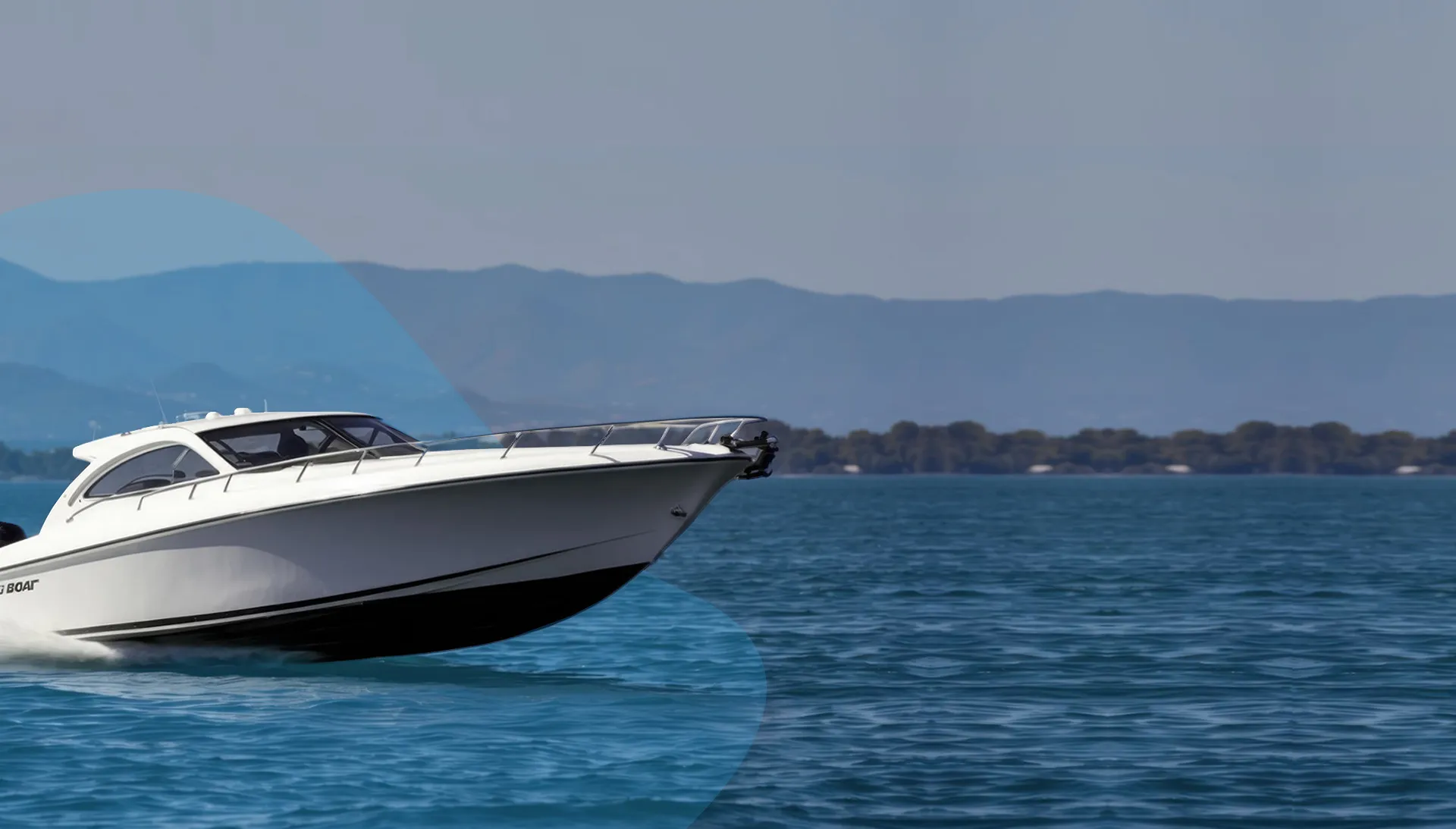
Picture this: You are enjoying a beautiful afternoon cruising through the Butler Chain of Lakes near Windermere. The sun is shining, but then you see those dark clouds rolling in from the west. In Central Florida, we know how quickly a sunny day can turn into a torrential downpour during the rainy season. When that rain starts dumping water into your vessel, or if you take a wave over the bow, the last thing you want to worry about is whether your equipment can keep up.
Water accumulation in the bilge isn't just a nuisance; it's a safety hazard that can affect your boat's stability and buoyancy. Selecting the right size boat bilge pump is one of the most important decisions you can make to protect your investment and your passengers. It isn't about guessing; it's about doing the math to ensure you stay afloat when the weather turns.
What does a bilge pump actually do?
A bilge pump is essentially the heart of your boat’s dewatering system, designed to remove excess water that collects in the lowest part of the hull. While it's not designed to keep a boat afloat if you have a massive hole in the hull, it's your first line of defense against rain, spray, and small leaks.
For many smaller vessels or skiffs often found on Florida lakes, you might rely on a manual switch, but having an automated system is far safer. This is where components like the Ultra Bilge Pumpswitch Junior come into play. A reliable switch ensures that if you're away from the dock, having lunch in Winter Park, and a storm rolls through, your pump activates automatically before the water level gets critical.
What factors dictate the pump size I need?
The size of your boat and the design of your hull are the two primary factors that determine how much pumping power you require. A boat bilge pump is rated in Gallons Per Hour (GPH), which tells you how much water it can move under ideal conditions.
However, you also have to consider our local environment. Here in Florida, we get over 50 inches of rain per year. During the peak of hurricane season from August to October, the volume of water entering your boat can be significant. If you have a larger boat or an open cockpit that captures a lot of rainwater, you need a higher capacity pump than a closed-cabin cruiser might.
How do I calculate the GPH I need?
You should look for a pump that can clear your bilge in a reasonable amount of time, but you must account for "head loss." Manufacturers rate their pumps running with zero resistance. In the real world, your pump has to push water up a hose and out of the boat.
Here is the reality of pump efficiency: A pump will typically lose about 30% to 40% of its rated capacity once you factor in the lift (vertical distance) and the friction from the discharge hose. According to generic safety guidelines, a 500 GPH pump might only effectively move about 300 gallons per hour once installed.
Why does this matter?
If you buy a pump that perfectly matches the math without a buffer, you might find yourself sinking slowly rather than staying dry.
A simple rule of thumb for sizing:
- Boats up to 18 feet: Look for 500–700 GPH.
- Boats 18-22 feet: Aim for 700–1000 GPH.
- Boats 23-26 feet: You generally need 1000–1500 GPH.
- Boats over 26 feet: You should consider 2000 GPH or higher, or multiple pumps.
If you're running a larger system, pairing your pump with a robust sensor like the Ultra Bilge Pumpswitch ensures that high-capacity pumps turn on exactly when needed and shut off before running dry, which can burn out the motor.
What about installation and maintenance?
Installation is straightforward, but using smooth-bore hoses rather than corrugated ones can significantly improve water flow. Corrugated hoses create turbulence that slows the water down—something you don't want when you're trying to outpace a leak.
Maintenance is just as vital. Given the humidity we deal with in places like Kissimmee and Orlando, algae and mold can grow in your lines. Plus, debris from our lakes can easily clog the intake. Check your boat bilge pump screen/filter once a month to ensure it is clear of leaves, fishing line, or sand.
Keep your boat safe on the water
Whether you're fishing on Lake Toho or taking the family out near Sanford, having the right bilge setup gives you peace of mind. The cost of a quality pump setup is tiny compared to the cost of boat repairs or recovery. Do the math, assume your pump will work at lower efficiency than the box says, and always go a size larger if you're on the fence.
If you're unsure about which pump or switch is right for your specific hull, give us a call. We are local experts who understand the specific challenges of Florida boating.
Contact Us
Need help finding the right parts? Contact Jupiter Boat Supply at (561) 320-3522 today.