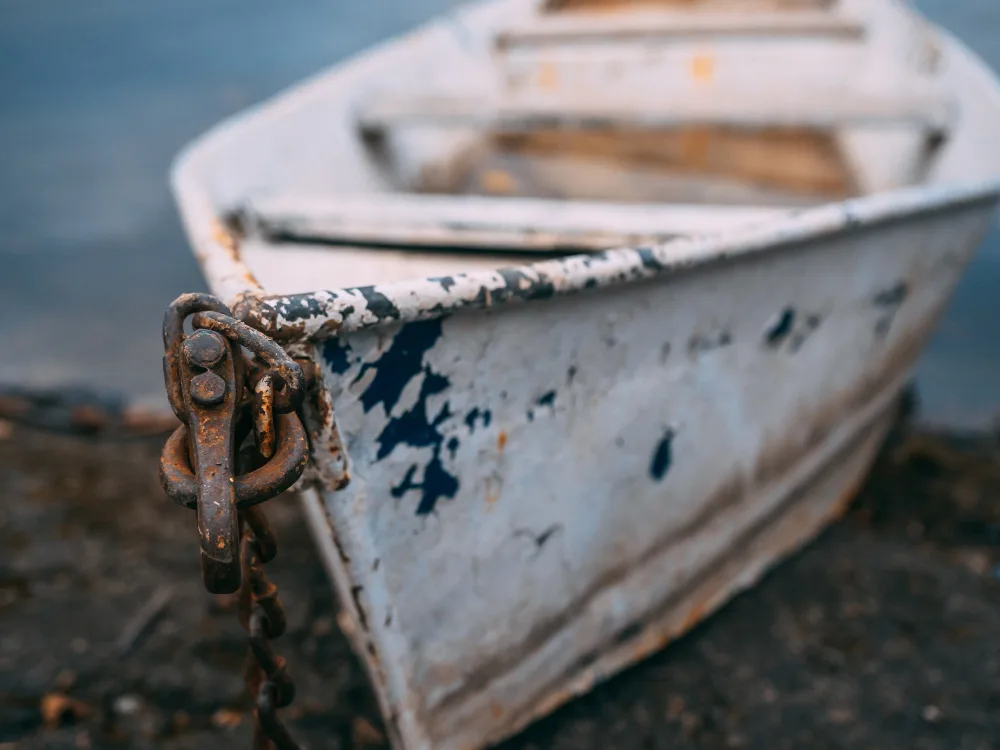
Living in the Sunshine State offers some of the best boating opportunities in the world. Whether you're cruising the chain of lakes near Windermere or trailering your vessel from Lake Nona to the coast for a day of fishing, you know the joy of being out on the water. However, you also know the sinking feeling of spotting that first streak of orange corrosion running down your pristine gel coat or stainless steel rails.
Rust is the uninvited guest that never leaves. In our humid, salty environment, keeping corrosion at bay feels like a full-time job. But it doesn't have to be a losing battle. By understanding how rust forms and staying ahead of the maintenance curve, you can protect your investment and keep your boat looking showroom-ready for years.
Here is how you can win the war against rust and corrosion on your boat.
Why does rust happen so fast in Florida?
Rust is simply a chemical reaction, but it feels personal when it happens to your boat. Technically, it is the breakdown of metal caused by oxygen and moisture—a process called oxidation. When you add salt to the mix, which acts as an electrolyte, that process speeds up significantly.
In Central Florida, we deal with a double whammy: high humidity averaging 70-80% year-round and frequent afternoon thunderstorms during the summer. Even if you're boating in freshwater, the moisture in the air combined with the sun's UV rays can break down protective coatings, leaving metal vulnerable. If you're not vigilant, this chemical breakdown can compromise not just the look of your boat, but its structural integrity and electrical systems.
What is the first step in rust prevention?
Inspection is the most critical part of your defense strategy. You cannot fix what you do not see. Before you even pick up a wash mitt, take a walk around your vessel. Look for bubbling paint, small scratches on stainless steel, or green discoloration on copper wires.
This is also the perfect time to check your critical safety gear, fasteners, and metal connection points. Your electrical system and hardware are often the first areas where corrosion begins, especially where dissimilar metals are in contact. Applying a durable anti-corrosion lubricant like Tef gel – TG-02 (2oz tub) on fasteners, terminals, and fittings helps block saltwater electrolytes before corrosion starts.
This added layer of protection prevents seizing, galling, and galvanic corrosion, keeping components free-moving and easier to service over time in harsh marine environments.
Why is regular washing non-negotiable?
Did you know that salt crystals act like magnets for moisture? If you leave dried salt on your boat, it pulls water from the humid Florida air right onto the metal surface, continuing the corrosion process long after you have docked.
You need to wash your boat after every single trip. This includes flushing the engine and rinsing the trailer. Use a dedicated boat soap that does not strip wax. Pay special attention to hidden areas like the underside of railings and cleats, where salt likes to hide. For those living in areas like Winter Park or Baldwin Park, remember that even freshwater contains minerals that can cause spotting and corrosion over time, so a thorough dry-down is just as important as the wash.
How do protective coatings help?
Think of wax and ceramic coatings as sunscreen for your boat. They create a physical barrier that oxygen and moisture cannot penetrate. A high-quality marine wax should be applied at least every 3 to 4 months in our climate.
For metal parts, consider applying a polymer coating or a specific metal wax. These products seal the microscopic pores in stainless steel and aluminum, preventing water from getting a foothold. It is a small effort that pays off by keeping your deck hardware shining.
What is galvanic protection and do I need it?
Galvanic corrosion occurs when two different metals touch in the presence of an electrolyte (water). The weaker metal eats away to protect the stronger one. To stop this, we use "sacrificial anodes," commonly called zincs.
These are pieces of metal designed to corrode so your engine and hull do not have to. Check your anodes regularly. If they are more than 50% wasted, replace them immediately. It is a cheap fix that saves you thousands in engine repairs.
How can I fix rust if it’s already there?
If you spot rust, do not panic—but do not wait. The longer you leave it, the deeper it goes.
- Remove the staining: Use a rust remover or a mild acid-based cleaner to lift surface rust.
- Polish the metal: Apply a marine-grade metal polish to smooth the surface and reduce pitting.
- Protect: Once the area is clean and dry, apply a high-performance anti-corrosion product evaporating formula helps prevent future corrosion, especially in marine environments.
If corrosion has already compromised electrical connections or fasteners, cleaning alone may not be enough. In those cases, applying a protective barrier such as Tef Gel - TG-4 (4oz tub) during reassembly can help prevent seizing, galling, and further corrosion, extending the life of your components and keeping systems operating safely.
Why does proper ventilation matter?
Mold and mildew are not just smelly; they are signs of trapped moisture. A boat that cannot "breathe" is a breeding ground for corrosion, especially in the cabin and engine room.
Moisture trapped under a canvas cover creates a greenhouse effect. Ensure your boat cover has vents to allow airflow. If you keep your boat in a garage or storage unit, consider running a dehumidifier or a small fan. Keeping the air moving dries out condensation before it can cause rust. This is a vital, often overlooked aspect of marine electrical maintenance that keeps contacts and wires from turning green.
What are the long-term maintenance costs?
Owning a boat is an investment, and protecting that investment requires a budget. A general rule of thumb in the boating industry is to budget approximately 10% of your boat’s value annually for maintenance and operating costs. You can read more about typical boating budgets in this maintenance cost guide.
While that percentage might sound high, it includes everything from insurance to slip fees and cleaning supplies. Neglecting small tasks like marine electrical maintenance or skipping a wax job might save $50 today, but it often leads to a $500 repair bill down the road. Regular care is always cheaper than major repairs.
How does the Florida climate affect my maintenance schedule?
Our environment is unique. Between the intense UV index and the salt air carried by winds across the peninsula, boats here age faster than they do up north.
If you're located in Orange County or Seminole County, you might think you're safe from salt, but the humidity is the real killer. It penetrates tight spaces and accelerates oxidation. This means your maintenance schedule needs to be aggressive. Inspect your wiring and terminals monthly. Perform marine electrical maintenance checks specifically on your battery connections and bilge pumps, as these are prone to failure in high-humidity environments.
Winning the war on rust
Rust never sleeps, but with a solid plan, you can keep it from taking over your vessel. By washing regularly, keeping up with marine electrical maintenance, and catching small issues before they become big problems, you ensure your boat remains safe and beautiful.
We are here to help you keep your boat in top condition. Whether you need advice on the right cleaning products or high-quality replacement parts, we have you covered.
Ready to upgrade your boat's protection? Contact Jupiter Boat Supply today at (561) 320-3522 to get the right parts for your vessel.