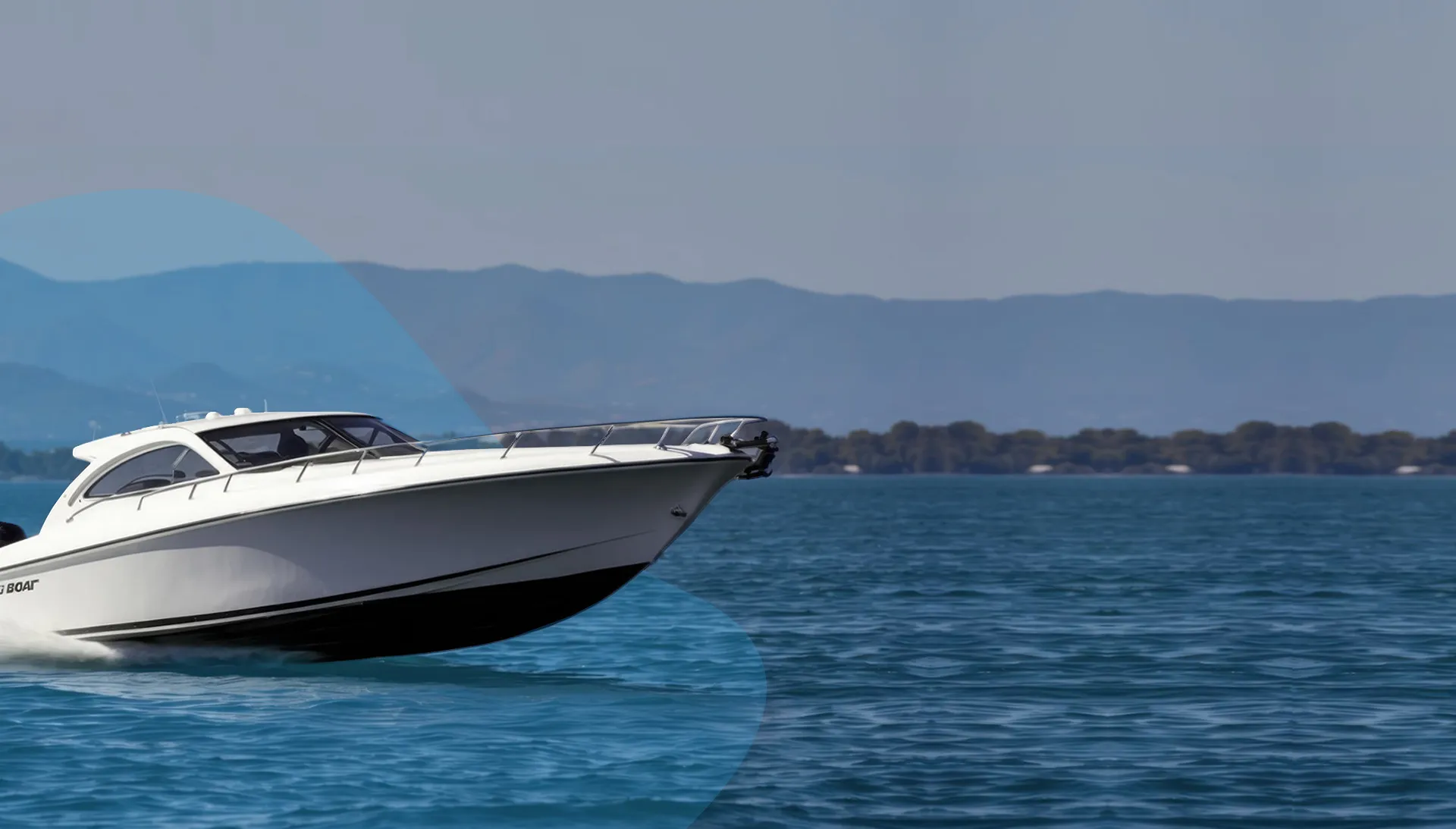
If you work on boats in the Sunshine State, you know the battle against the elements never really ends. The combination of intense UV rays, high humidity, and salt spray creates a perfect storm for eating away at expensive marine hardware. Whether you're servicing a center console in Port Canaveral or a pontoon on Lake Monroe, you have likely seen corrosion turn a simple repair job into a nightmare of seized bolts and snapped screws.
For marine technicians, effective rust prevention is not just an add-on service; it's a necessity for keeping your customers happy and their vessels safe. The aggressive nature of Florida's saltwater environment means that standard lubricants often wash away long before the next service interval. That is why using a dedicated anti-corrosion lubricant like Tef Gel - TG-.25 (3cc tube) is standard procedure for pros who want to ensure fasteners can actually be removed years down the line.
Protecting a vessel requires understanding what we are up against and having the right tools in your tackle box. This guide breaks down why our local waters are so tough on metal and how you can stop corrosion in its tracks.
What actually causes marine corrosion?
Corrosion is the natural process where refined metals attempt to return to their more stable natural state, usually oxides, when exposed to the environment. In a marine setting, this process is accelerated by the presence of electrolytes in saltwater.
When two dissimilar metals—like a stainless-steel screw and an aluminum mast—are in contact with an electrolyte (saltwater), a battery-like reaction occurs. This is known as galvanic corrosion. The less noble metal (the aluminum) gives up electrons to the more noble metal (the stainless steel), causing the aluminum to pit and deteriorate rapidly. Without a dielectric barrier to separate these metals, the structural integrity of the vessel’s hardware is compromised.
Why is Florida's environment so tough on boats?
Florida’s unique climate acts as a supercharger for the chemical reactions that cause rust, making our state one of the most corrosive environments in North America. High temperatures and high humidity are constant factors here; in the summer, Orlando averages temperatures of 90-95°F with 70-80% humidity.
Moisture in the air carries salt inland, affecting boats even when they are docked in brackish or freshwater areas like the St. Johns River. Furthermore, heat increases the rate of chemical reactions—for every 10 degrees Celsius rise in temperature, the corrosion rate can effectively double. This means a boat docked in the heat of the Indian River Lagoon will corrode significantly faster than one in cooler northern waters.
What are the best preventative measures?
The most effective way to stop corrosion is by isolating metal components from the saltwater electrolytes that fuel the reaction. This involves a three-pronged approach: coatings, material selection, and maintenance.
Coatings and Sealants
Barriers are your best friend. Paints and powder coats provide the first line of defense for large surface areas, but the real trouble spots are the fasteners and assembly points. This is where a specialized PTFE (polytetrafluoroethylene) paste becomes essential. Unlike standard grease, which can wash out, products like Tef Gel - TG-1 (20cc tube) are designed to never evaporate or dry out.
This paste leaves a layer of 40% solid PTFE within the thread interface, effectively sealing out water and preventing the electrolyte from connecting the two metals. By applying this during assembly, you prevent the friction welding and seizing that lead to broken bolts during future maintenance.
Material Selection
Choosing the right metal for the job is critical. Marine-grade stainless steel (316 grade) is the industry standard for fasteners due to its resistance to rust prevention failures. However, even 316 stainless can suffer from crevice corrosion if oxygen is deprived in a wet environment. Using aluminum alloys designed for marine use is also vital, but they must be protected where they contact other metals.
Regular Maintenance
Routine washdowns are the simplest form of marine corrosion prevention Florida boaters can perform. Removing salt crystals from the surface reduces the electrolyte presence. For technicians, inspecting sacrificial anodes (zincs) is key. These anodes are designed to corrode so the vital boat parts don't. If an anode is more than 50% wasted, it needs immediate replacement.
How much does corrosion really cost?
Ignoring rust and corrosion is an expensive gamble that never pays off for the boat owner. According to a study by NACE International, the global cost of corrosion is estimated to be $2.5 trillion annually.
On a smaller scale, failing to lubricate a single bolt on an outboard motor bracket can turn a $100 maintenance task into a $500 to $1,000 machine shop bill if that bolt snaps and needs to be drilled and tapped. A small tube of anti-corrosion paste is a fraction of that cost and acts as an insurance policy for your labor.
Ready to protect your marine investments?
Proactive rust protection marine equipment maintenance is the only way to ensure safety and longevity on the water. By using the right inhibitors and staying ahead of the harsh Florida climate, you ensure that every vessel you service leaves the shop ready for the long haul.
For the best in anti-corrosion products, including the Tef-Gel mentioned in this guide, contact Jupiter Boat Supply at (561) 320-3522.