There is nothing quite like the sinking feeling of putting a wrench on a deck bolt, applying pressure, and feeling absolutely nothing move. Or worse, feeling the head of the bolt snap right off. If you live around here, you know that the combination of our salty air and humidity can turn a simple Saturday afternoon project into a multi-day ordeal involving drill bits, tap sets, and a lot of frustration.
In Central Florida, where humidity hovers between 70% and 80% for much of the year, corrosion never sleeps. For DIY enthusiasts, understanding how to stop rusting, galling, and seizing before they start is the difference between enjoying the water and being stuck on the trailer. Here is how you can protect your investment and keep your hardware moving freely.
Why does hardware rust so fast in Florida?
Saltwater acts as a powerful electrolyte that speeds up the oxidation process, causing metals to break down much faster than they would in freshwater or dry climates. While iron and steel rust (turning that familiar reddish-brown), other metals corrode in different ways.
In our area, specifically near the coasts or even inland around the humid lakes of Sanford and Lake Mary, we deal with two major headaches: seizing and galling. Seizing happens when rust builds up in the threads of a bolt, locking it in place. Galling is even nastier. It is essentially "cold welding" that happens when friction between two similar metals (like a stainless bolt and a stainless nut) causes them to fuse during installation. Once that happens, the only way out is usually a hacksaw.
If you're working on a small project, like replacing a few screws on a hinge or a cleat, you need a barrier to stop this friction and corrosion. A small application of Tef Gel - TG-.25 (3cc tube) on the threads can prevent the metals from ever touching directly, stopping the seize before it starts. This simple step matters because drilling out a single seized bolt can take upwards of an hour, and nobody wants to spend their weekend doing that.
Which materials should I use for deck hardware?
Stainless steel is the gold standard, but not all stainless is created equal. You generally want to look for 316-grade stainless steel for exterior boat maintenance. It has a higher resistance to chloride (salt) than the more common 304-grade.
However, mixing metals is where things get tricky. If you screw a stainless-steel bolt into an aluminum mast or backing plate, you're creating a battery. The saltwater serves as the electrolyte, and the aluminum will sacrifice itself to the stainless steel, turning into a white powder and locking the bolt in place. This is called galvanic corrosion.
To prevent this, you must insulate the metals from one another. Using plastic washers helps, but a specialized dielectric paste is your best insurance policy.
How do I apply protective coatings correctly?
You should apply a high-quality anti-corrosion lubricant to every single fastener you install on your boat. It is not enough to just tighten it down and hope for the best.
For larger jobs, such as re-rigging an entire T-top or installing a new pedestal seat, you will need more than a tiny tube. We recommend keeping a Tef Gel - TG-1 (20cc tube) in your toolbox. This amount is perfect for medium-sized projects and ensures you have enough to coat the threads thoroughly.
Here is the proper way to do it:
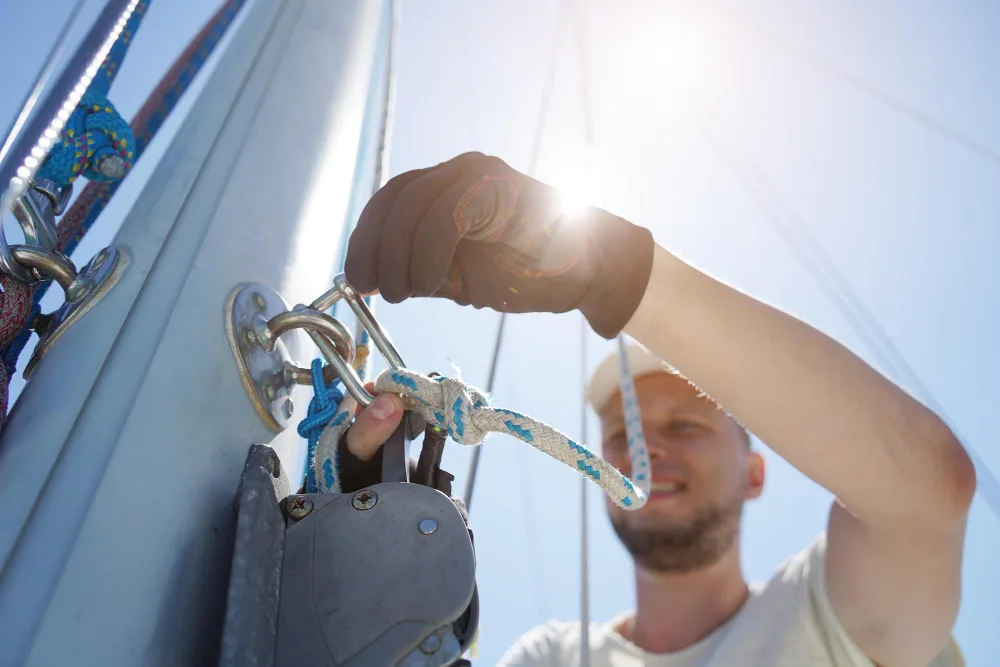
- Clean the threads: If you're reusing a bolt, use a wire brush to remove old sealant or dirt.
- Apply the barrier: Squeeze a bead of Tef-Gel or similar PTFE-based lubricant onto the bolt threads. You want 40% solid PTFE coverage to ensure water cannot get in.
- Install: Thread the bolt in. The excess paste acts as a seal around the head of the bolt, keeping water out of the hole.
This matters because water intrusion into the core of your deck can lead to rot, which is a massive repair bill. A $34 tube of lubricant is much cheaper than a $5,000 deck repair.
How often should I inspect my hardware?
You should do a visual walkthrough of your vessel at least once a month, looking for "weeping" rust stains around screw heads. If you see rust streaks running down your gelcoat—often called "bleeding"—it means water is getting behind the hardware and corrosion is already underway.
Proper boat maintenance requires vigilance. If you catch a weeping bolt early, you can often back it out, clean it, re-bed it with fresh sealant and lubricant, and reinstall it. If you wait six months, that bolt might be permanent. According to a study by NACE International, the global cost of corrosion is estimated to be US $2.5 trillion annually, a significant portion of which hits the marine industry. Don't let your wallet become part of that statistic.
What if the hardware is already stuck?
If you bought a used boat in Volusia County or are working on an older skiff from the Indian River Lagoon area, you might already have seized bolts. Do not just grab a breaker bar and pull; you will snap the head off.
- Penetrating Oil: Soak the bolt in a quality penetrating oil and let it sit for 24 hours. Patience is key here.
- Heat: Carefully applying heat (if the surrounding area allows) can expand the metal and break the rust bond.
- Impact: Use a manual impact driver (the kind you hit with a hammer). The shock often breaks the corrosion seal better than steady torque.
Protect Your Investment
Keeping your hardware free from rust and seizing is about more than just aesthetics; it's about safety and reliability. Whether you're navigating the locks at Port Canaveral or just enjoying a sunset cruise on Lake Monroe, you need to know your gear will hold up.
Routine boat maintenance does not have to be a headache. By choosing the right materials and using the right anti-seize products during installation, you ensure that your future self will thank you when it's time to upgrade or repair your gear.
If you're unsure which anti-corrosion products are right for your specific project, give us a call at (561) 320-3522. We are here to help you keep your boat in top shape. You can also reach out to Jupiter Boat Supply online for expert advice and high-quality marine hardware.