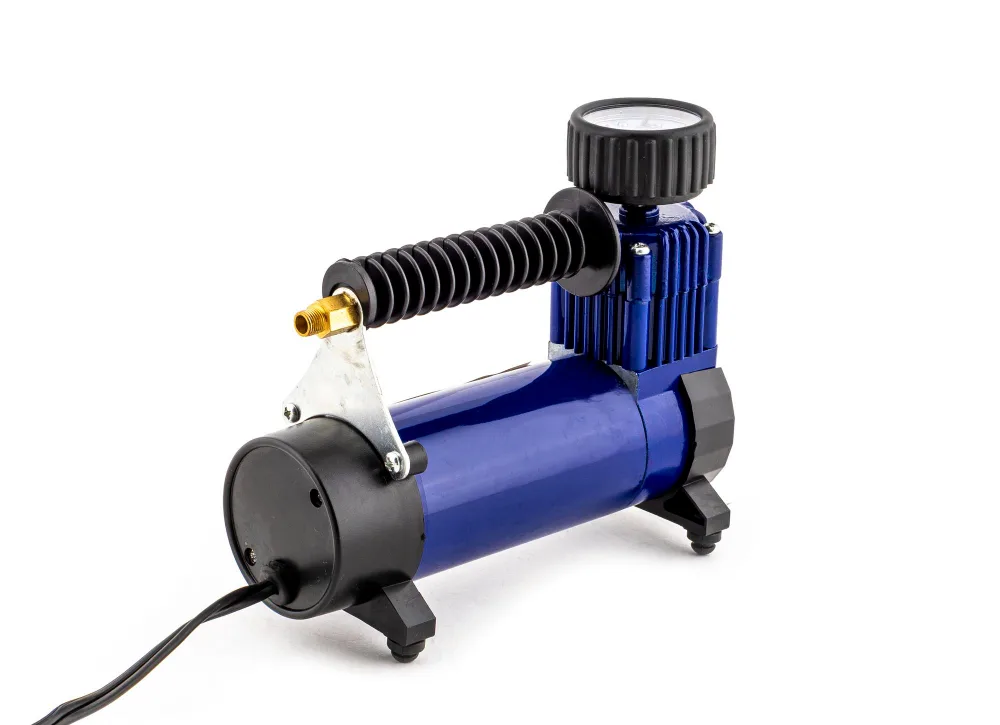
A bilge pump removes excess water from the lowest part of a boat, preventing flooding and protecting the engine, electrical systems, and overall safety. In Florida’s heavy rain and hurricane-prone conditions, a working bilge pump is essential to keep vessels afloat and operational.
For marine mechanics and boaters in Central Florida, understanding how bilge pumps work goes beyond basic knowledge—it’s about safeguarding a major investment. Since water naturally collects in the bilge from rain, spray, or leaks, the pump acts as the first and last line of defense against serious damage.
When you're outfitting a boat or performing maintenance, you know that saltwater is relentless. Even the smallest fasteners can seize up if not protected. Before you even start an installation, having a product like Tef Gel - TG-.25 (3cc tube) on hand is essential for coating those screws and preventing corrosion down the line.
What exactly is a bilge pump and why do we rely on it?
A bilge pump is a water pump specifically designed to remove water that accumulates in the bilge area. While it sounds simple, the role it plays is critical. Its primary function is to pump water overboard to prevent the boat from becoming unstable or sinking.
Why does this matter so much? Water in the bilge is not just a nuisance; it's a hazard. Excess water adds weight, which affects performance and fuel efficiency. More importantly, if that water level rises too high, it can damage electrical components, cause engine corrosion, or lead to catastrophic sinking. In Florida, where sudden squalls on the Loxahatchee River are common, a boat without a working pump is a ticking time bomb.
There are generally three types of pumps you will encounter in the shop:
- Manual pumps: Operated by hand, usually as a backup.
- Automatic pumps: Equipped with a float switch that activates the pump when water rises.
- Submersible pumps: Designed to sit directly in the water at the bottom of the bilge.
How does a bilge pump actually work?
The mechanics depend on the type, but the goal is always displacement. Electric pumps, which are the industry standard for most recreational vessels in our area, use a small impeller. When the pump activates, the impeller spins, creating suction that draws water in and forces it out through a discharge hose.
Automatic pumps rely on a switch. When the water level in the bilge rises, it lifts a float. Once that float reaches a certain height, it completes the electrical circuit, turning the pump on. Once the water drains and the float drops, the pump shuts off.
Reliability here is key. Because these pumps sit in damp, salty environments, ensuring your electrical connections and mounting hardware are secure is vital. For larger jobs or when you're servicing multiple vessels, keeping a Tef Gel - TG-1 (20cc tube) in your toolbox ensures you have enough anti-seize for every bolt and connection you touch.
How do you choose the right pump for Florida waters?
Not all pumps are created equal, and sizing them correctly is a skill every mechanic needs. The main factor is the flow rate, measured in Gallons Per Hour (GPH). A small flats boat cruising the Intracoastal might be fine with a 500 GPH pump, but an offshore sportfisher needs significantly more power.
You also need to consider the "head," which is the vertical distance the pump has to lift the water to get it overboard. A pump rated for 1000 GPH at zero head might only push 600 GPH if it has to lift water three feet.
A good industry standard is to have a pump capacity of at least 100 gallons per hour for every hour the boat is in the water, though for safety, many experts recommend going higher. In fact, for boats over 20 feet, the American Boat & Yacht Council (ABYC) and other safety organizations often suggest a minimum capacity that exceeds basic manufacturer defaults. For example, a 20-25 foot boat should ideally have a pump rated for at least 1,500 GPH to handle emergency flooding situations.
What does proper installation and maintenance look like?
Installing a bilge pump isn't just about wiring it up and walking away. It requires planning. The discharge hose needs to be smooth-bore rather than corrugated to reduce resistance, and you must install a vented loop if the discharge thru-hull is near the waterline to prevent siphoning.
Maintenance is where you can save your clients many headaches. Florida's high humidity and saltwater environment are tough on gear.
- Inspect the float switch: Debris is the enemy. A stray fishing line or leaf can jam the switch.
- Check the wiring: Look for corrosion at the butt connectors.
- Test the pump: Don't just flip the switch at the helm. Manually lift the float switch to ensure it engages.
We recommend a thorough inspection every 30 days for boats kept in the water. Catching a frayed wire now saves a specialized rescue later.
How do you troubleshoot common pump failures?
When a customer comes in saying their pump isn't working, it usually boils down to a few common culprits.
- The pump won't turn on: Check the fuse and the battery voltage first. If those are good, the float switch is the next suspect.
- The pump runs but moves no water: This is often an air lock. If the discharge hose has a dip where air gets trapped, the impeller just spins in air. It could also be a clogged intake screen.
- The pump won't shut off: Usually, debris is stuck under the float switch, holding it in the "on" position.
Keeping Florida boats dry and safe
The bilge pump is the unsung hero of marine safety. Whether your clients are fishing in Tequesta or just enjoying a sunset cruise, they rely on you to ensure this critical system is ready for the next downpour. By understanding exactly how these pumps operate and following strict maintenance schedules, you keep the water on the outside, where it belongs.
If you need high-quality pumps, installation hardware, or the anti-corrosion products mentioned here, we are right around the corner. Contact Jupiter Boat Supply at (561) 320-3522 to get the parts you need to get the job done right.