A reliable bilge pump system keeps your vessel afloat in Florida's unpredictable offshore conditions. Sudden squalls near the Jupiter Inlet and heavy chop off the coast demand equipment that works perfectly every single time. If you need expert advice on upgrading your boat's safety gear, contact Jupiter Boat Supply at (561) 320-3522 right now. We know exactly what serious anglers need to stay safe on the water.
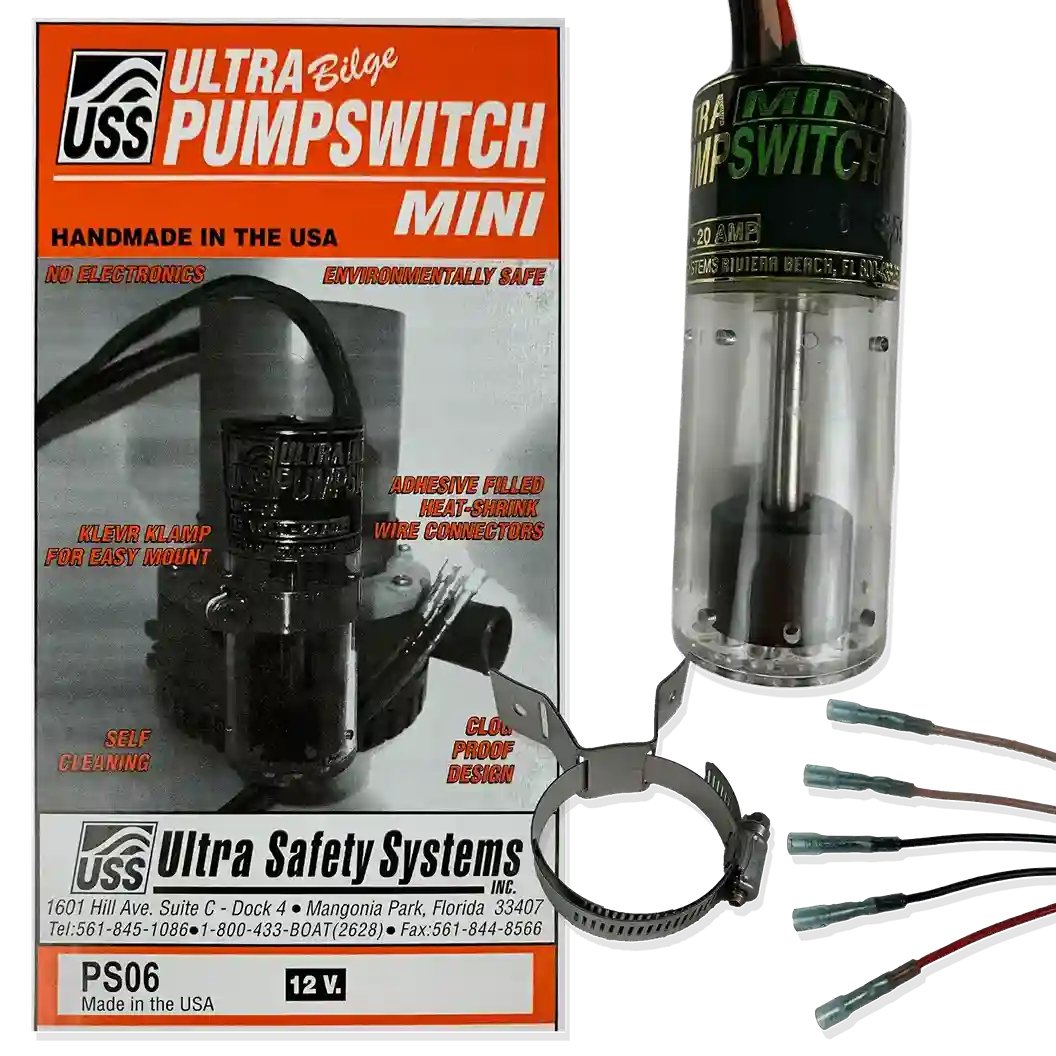
The ultra safety systems bilge pump switch is the standard because it uses a fully sealed, non-magnetic stainless steel tube and a Buna-N float that prevents sticking. Cheap plastic float switches often fail within 1 to 2 years in harsh saltwater environments. This premium switch handles heavy oil, fuel, and saltwater without missing a beat.
Our technicians typically find that standard flapper switches fail at the worst possible moments. You don't want to be twenty miles offshore when your pump stops working. A catastrophic vessel flood happens fast. By investing around $210.00 in the Ultra Bilge Pumpswitch Junior - 12V, you buy absolute reliability. It features no complex electronics to short out and no mercury to leak into the ocean. The factory seals the housing to protect the internal components completely.
Florida captains know that salt air destroys cheap gear. The non-magnetic stainless steel components reject rust. The butyrate case resists impacts from loose gear sliding around your hull. You get a switch that lasts the lifetime of your boat.
You need marine-grade tinned copper wire, adhesive-lined heat shrink connectors, a quality wire crimper, wire strippers, and a multimeter to install your new switch. Never use standard automotive wire or basic electrical tape on any boat in Florida. The high humidity and salt air will corrode exposed copper within months.
Before starting work, disconnect the battery power. Working on live circuits is dangerous and can short out your expensive pumps. Gather your tools and locate your pump system. Accessing the lower bilge can be tight on many center console fishing boats. Wear knee pads or bring a foam mat if you need to kneel on the deck fiberglass for an extended period.
Take time to inspect the existing wiring. If you see green or black corrosion traveling up the copper strands, cut the wire back until you find clean metal. You can't make a reliable connection to corroded wire.
Mounting the switch properly is the most critical part of the job. You want to place it on a level surface free from any obstructions. Debris accumulation is a major problem for boats running through the Winter Park chain of lakes or the Lake Worth Lagoon. Keep the switch away from areas where leaves or fishing lines naturally collect.
Next, wire the switch according to the factory diagram stamped right on the casing. The ultra safety systems bilge pump switch comes with extra long wire leads and sealed adhesive wall heat shrink connectors. Strip the wire ends carefully. Crimp the connections tightly, then use a heat gun to shrink the adhesive wrap. This creates a waterproof seal that stops galvanic corrosion dead in its tracks. A proper installation takes about 45 to 60 minutes for a skilled technician.
Position the switch slightly higher than the pump intake. This prevents the pump from running dry and burning out its motor. Use the custom designed non-magnetic stainless-steel bracket to mount the unit directly to the bulkhead or the submersible pump housing.
Always test the system before you launch your boat. You can run a manual float test by lifting the float cylinder. The pump should engage immediately. For added security, many captains wire in an Ultra Bilge Pumpswitch Alarm Switch Only - Normally Open. This triggers a loud high-water alarm if the primary pump can't keep up with the water intrusion.
Optimize your system by cleaning the bilge weekly, checking battery voltage, and inspecting the float switch for debris. Saltwater leaves behind a sticky residue that can bind lesser switches. A quick rinse with fresh water prevents salt buildup and keeps your float moving freely.
Based on the 500+ marine electrical inspections we did last year, dirty bilges cause 80 percent of pump failures. A little soap and water goes a long way to protect your boat. Check your battery health monthly. Your switch and pump require solid voltage to push heavy water up and out of the hull. If your battery drops below 11.5 volts under load, your pump will struggle to move water efficiently.
If your pump fails to turn on, check the inline fuse first. A blown fuse is a common symptom of a jammed impeller. Clear any obstructions from the pump base before replacing the fuse. A secondary backup pump is highly recommended for boats fishing far offshore.
Investing in an ultra safety systems bilge pump switch protects your valuable vessel and everyone on board. Florida boating regulations demand functional safety equipment for good reason. The ocean doesn't forgive poorly maintained electrical systems. You want parts that work every time the water rises.
Your boat represents a massive financial and emotional investment. Cutting corners on a $200 part makes no sense when the risk is losing a $100,000 fishing rig. Trust the best equipment available. Our team uses these specific switches on our own boats because we know they don't fail.
Need help getting your boat's electrical system up to code? The local experts at Jupiter Boat Supply are ready to assist. Call us at (561) 320-3522 to get the right parts and expert advice for your next project.

Jupiter Boat Supply ~ 2015 ~
Return Policy Shipping Policy Privacy Statement Terms of Service
Copyright © 2025. All Rights Reserved.
Web Design, SEO & Hosting by REK Marketing & Design